




How to Keep Your Truck Running Past 100,000 Miles in West Tennessee
For many drivers across West Tennessee, a truck is more than transportation. It is the vehicle that gets you to work, hauls equipment, pulls a trailer, and handles everything from daily errands to weekend projects. At Helms Motor Co. in Lexington, TN, we know many of our customers keep their trucks for well over 100,000 miles. With the right maintenance plan, that goal is not only realistic but also often the smartest financial decision you can make.
Maintenance Changes After 75,000 Miles
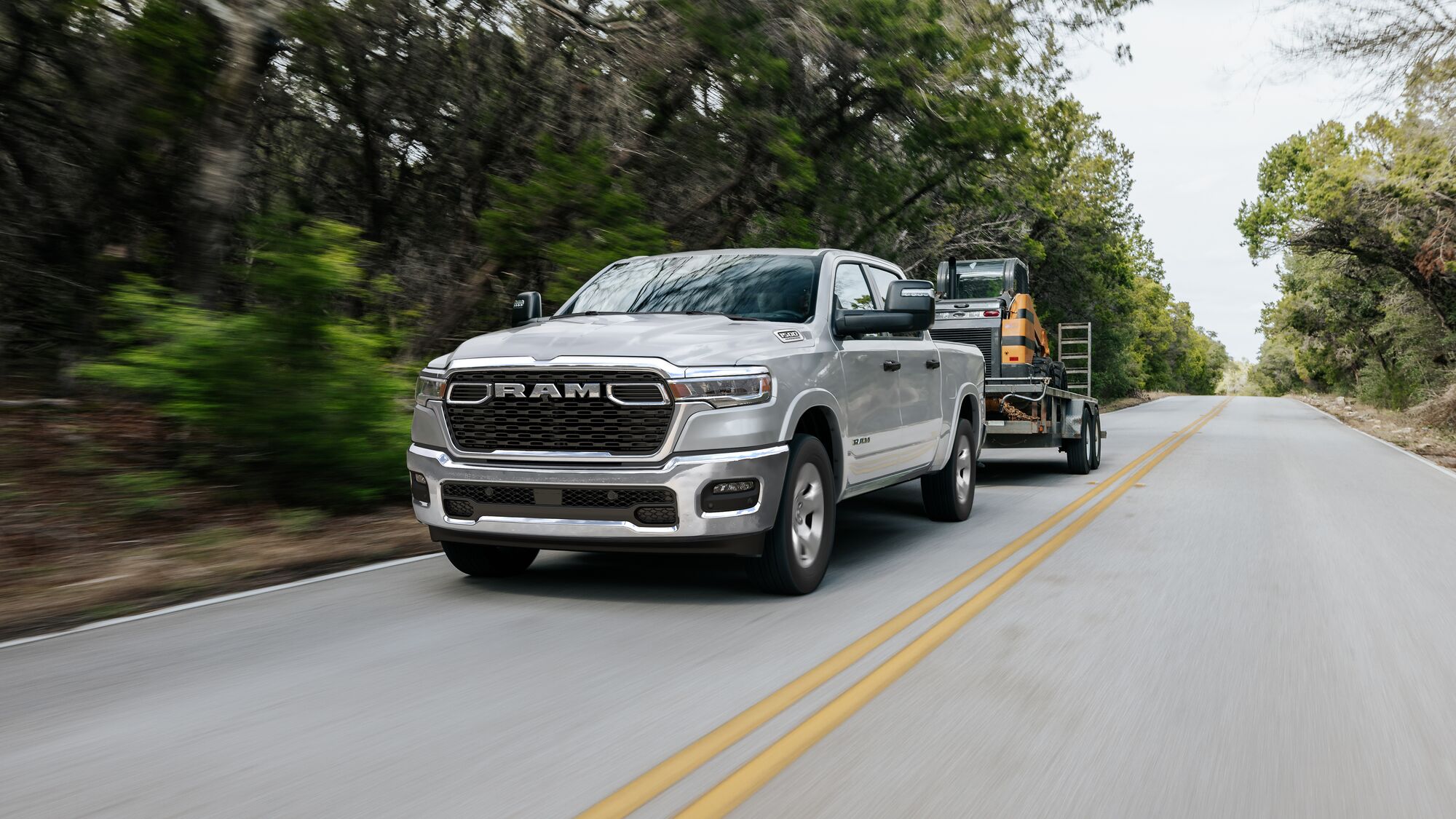
During the first several years of ownership, maintenance is largely focused on routine services such as oil changes, air filters, tire rotations, and fluid inspections. Once a truck reaches roughly 75,000 miles, the maintenance conversation starts to shift.
At this point, many components begin approaching the end of their expected service life. Rather than simply replacing fluids and filters, owners should plan for preventive replacement of parts that naturally wear out over time. Staying ahead of these items can help avoid larger repairs later and keep your truck dependable for years to come.
A truck that has reached 100,000 miles is often still mechanically strong. The key is recognizing that some systems now require more attention than they did when the vehicle was newer.
Maintenance To Stay On Top Of to Get to 100,000 Miles
There are many maintenances that get overlooked, but go a long way toward getting your truck to 100,000 miles around Henderson, GA and Jackson, MS. Here are some of the ones we advise monitoring.
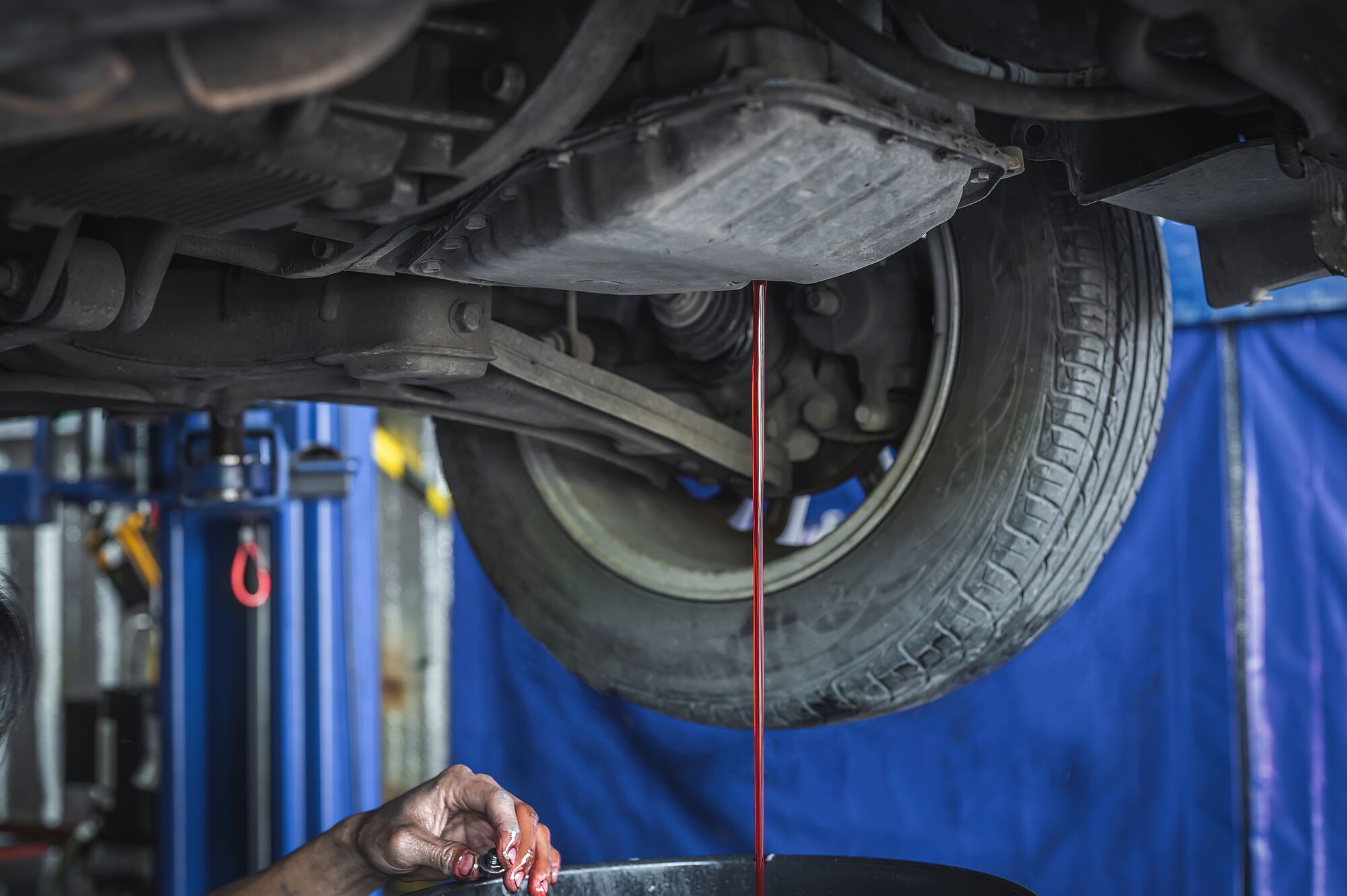
Transmission Fluid
Many drivers stay consistent with oil changes but forget that transmission fluid also breaks down over time. As miles accumulate, heat and friction reduce the fluid's effectiveness. Old transmission fluid can lead to rough shifting, excessive wear, and potentially expensive transmission problems.
Whether you drive a truck with an automatic or manual transmission, following the manufacturer's service recommendations is important. If your truck has reached higher mileage and the transmission fluid has not been inspected recently, now is a good time to have it checked.
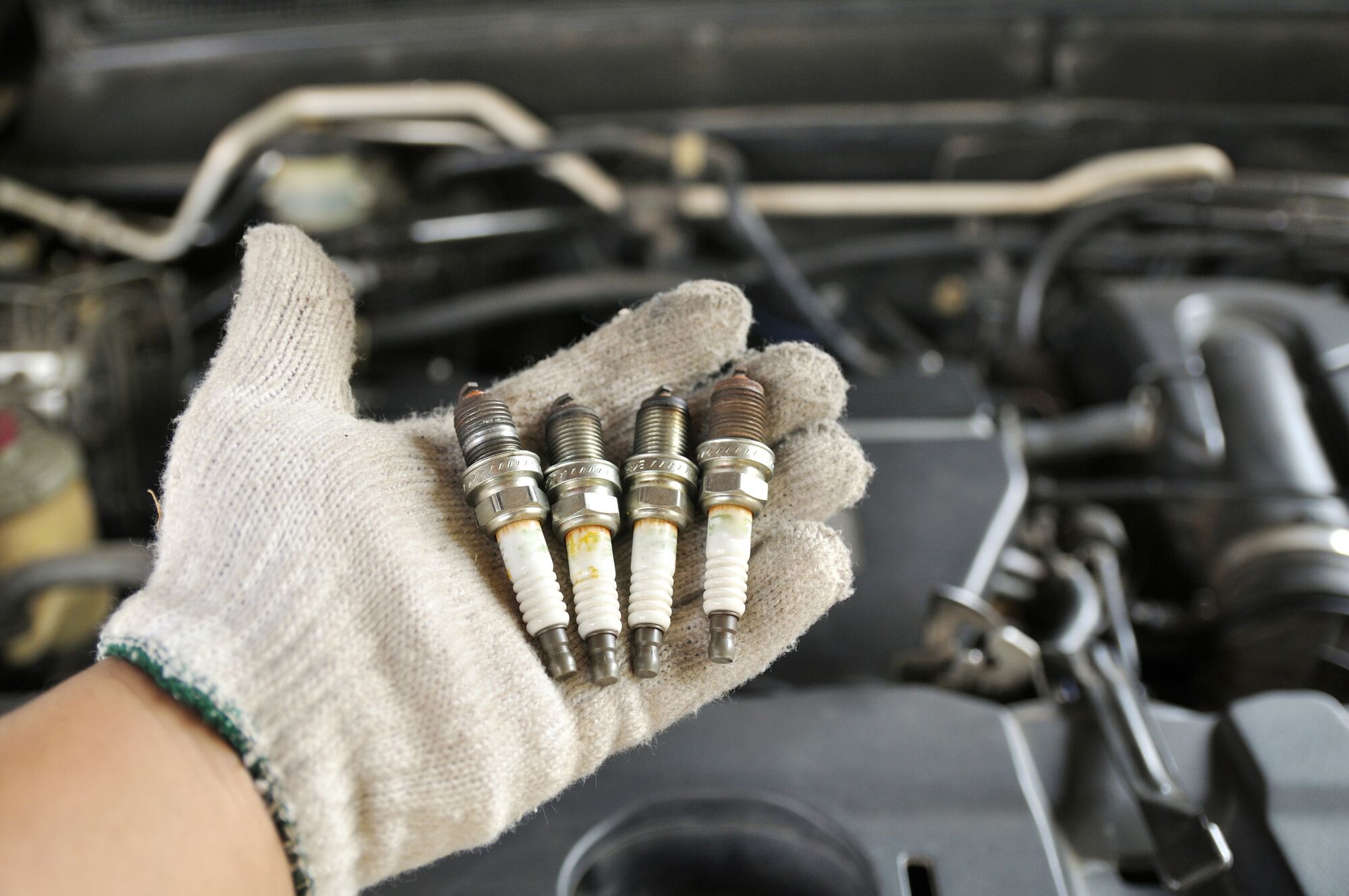
Spark Plugs
Spark plugs may seem small, but they play a major role in engine performance. As they wear, you may notice reduced fuel efficiency, slower acceleration, rough idling, or harder starts.
Many modern trucks can run tens of thousands of miles on a single set of spark plugs, which makes them easy to forget. However, waiting too long can place additional strain on ignition components and reduce overall efficiency.
Replacing spark plugs at the recommended intervals helps keep your engine running smoothly, especially once your truck enters higher-mileage territory.
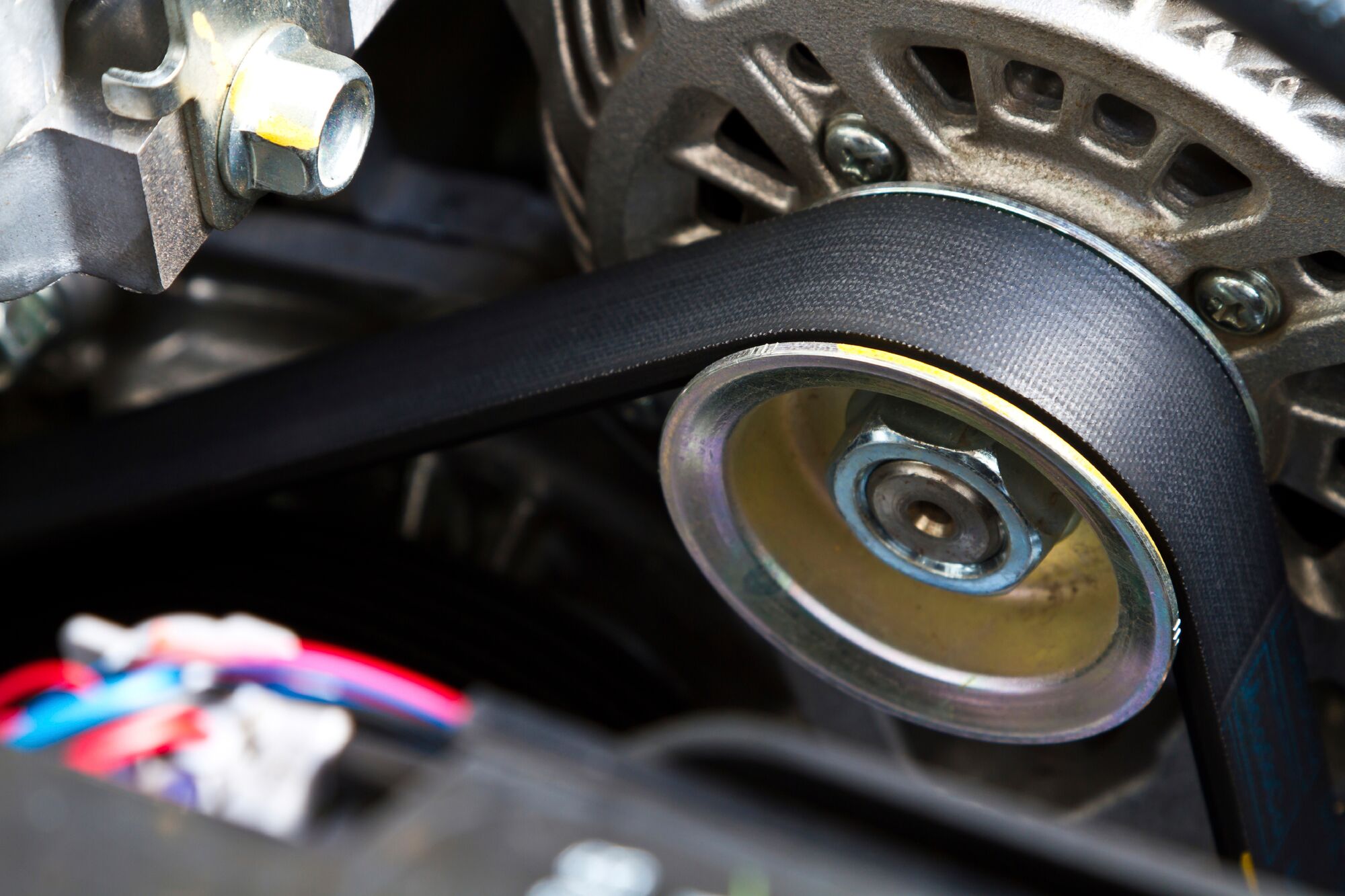
Belts and Hoses
Drive belts work every time your engine runs. Over the years, constant heat and exposure to the elements can cause belts to crack, stretch, or wear.
A failed belt can leave you stranded and may disable critical systems such as the alternator, power steering, or air conditioning. Regular inspections allow worn belts to be replaced before they become a problem.
Likewise, hoses should be checked for signs of deterioration, leaks, or soft spots. These inexpensive repairs can prevent much larger issues down the road.
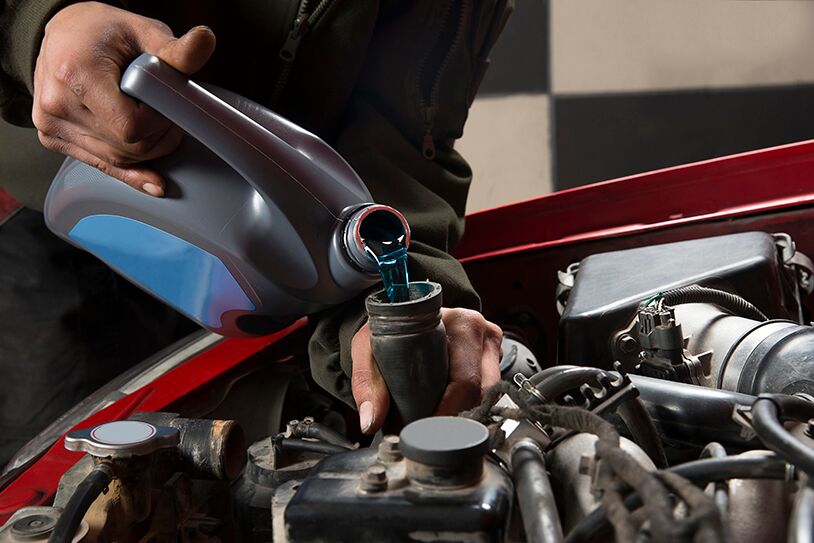
Coolant
An engine depends on a properly functioning cooling system to maintain safe operating temperatures.
As coolant ages, it loses some of its ability to protect against corrosion and effectively transfer heat. Neglected coolant can contribute to overheating, radiator issues, water pump problems, and premature component wear.
For trucks that tow, haul heavy loads, or spend long hours on the road around Lexington, TN, and all of West Tennessee, maintaining the cooling system becomes even more important. Regular coolant service helps protect one of the most expensive components in your vehicle: the engine itself.
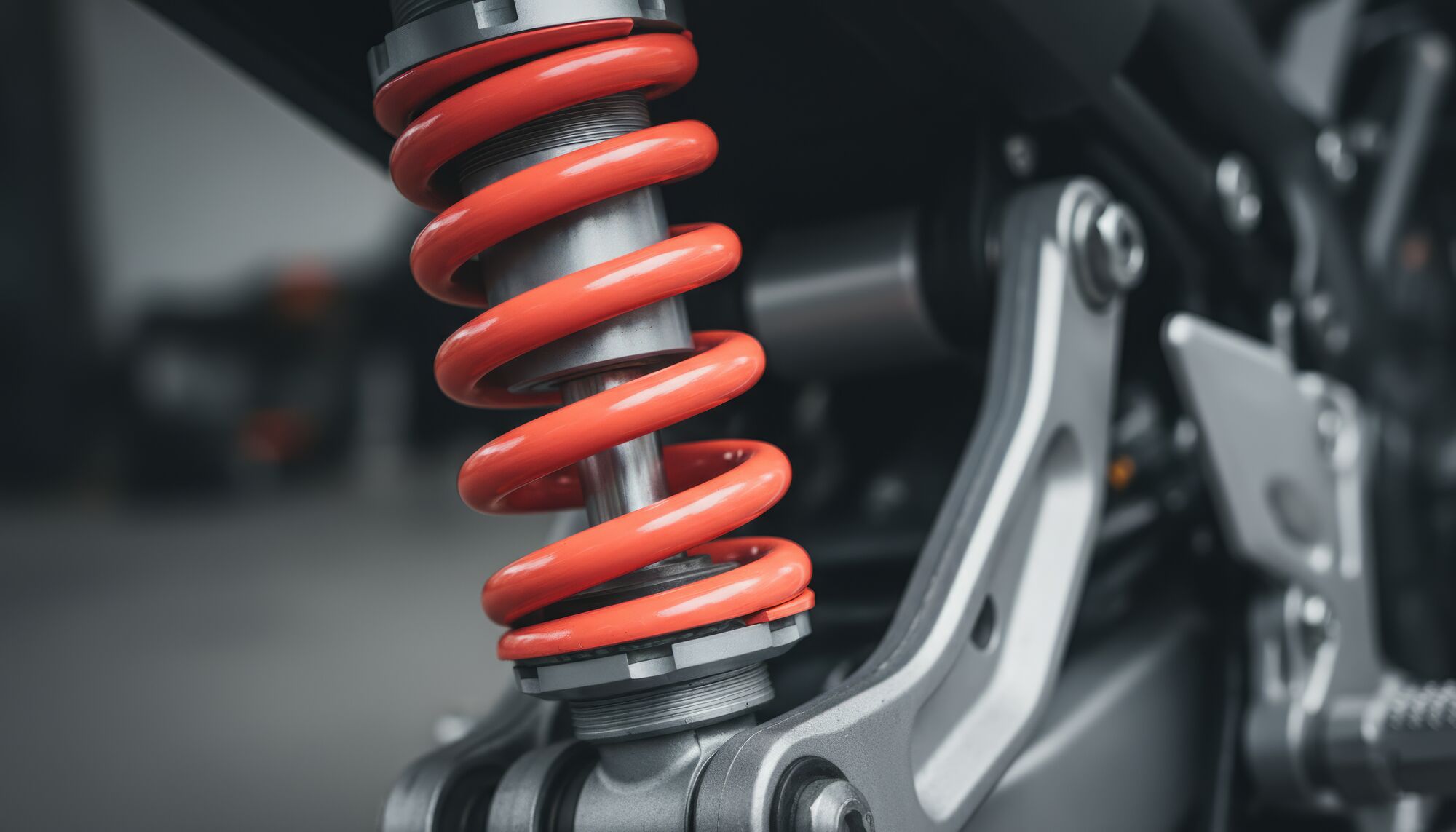
Suspension
Suspension components often wear gradually, making changes difficult to notice from behind the wheel.
Shocks, struts, bushings, ball joints, and other suspension parts experience constant stress. As these components wear, you may notice a rougher ride, uneven tire wear, reduced steering precision, or less stability while towing.
Many trucks that reach 100,000 miles or beyond can benefit from a suspension inspection. Replacing worn components helps restore handling, ride comfort, and overall control.
How Rural Driving Affects Your Truck
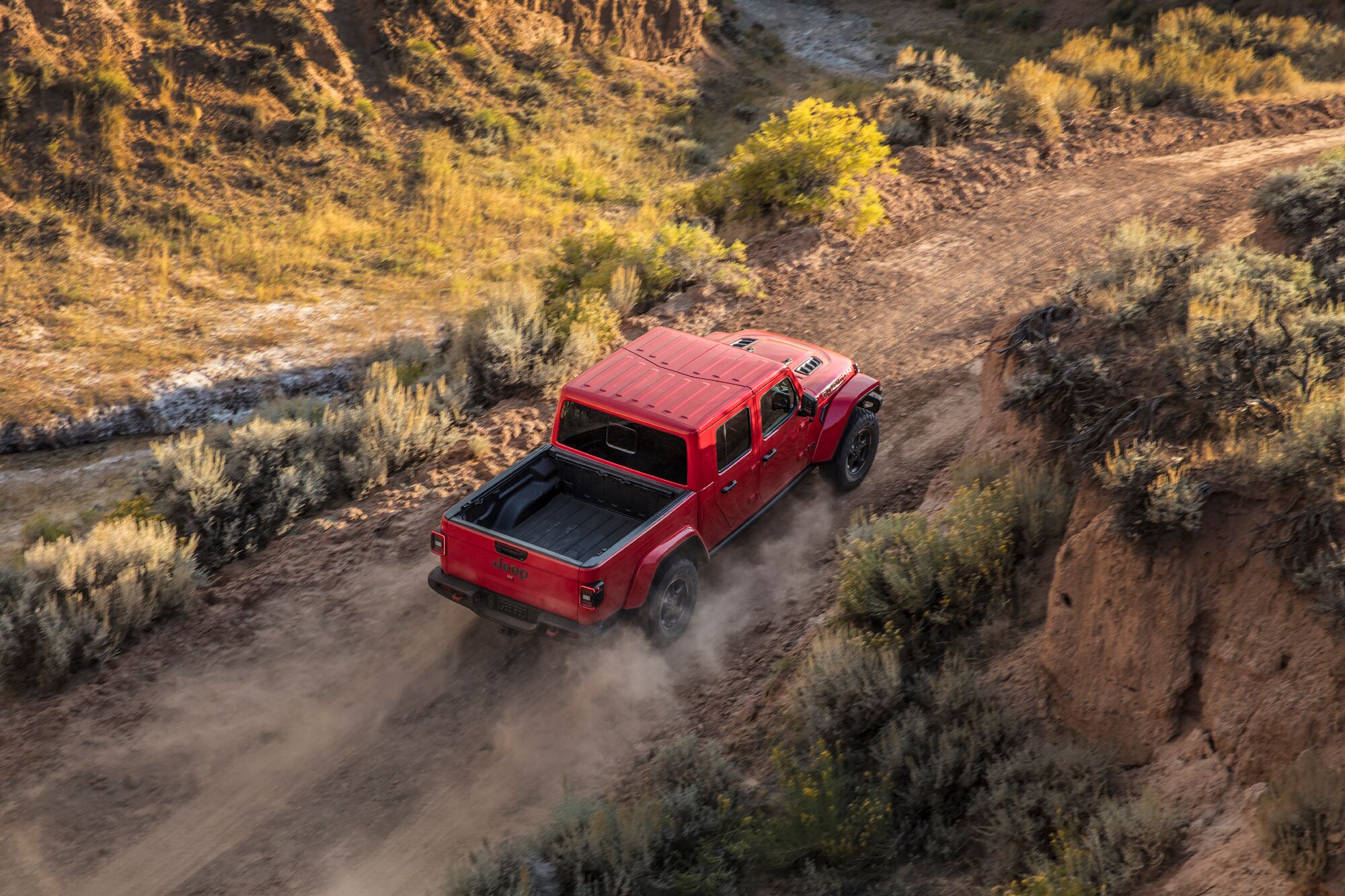
Driving in West Tennessee presents different challenges than driving in a large city. Gravel roads wear tires, suspension, and underbody surfaces faster, while dust and debris dirty air filters. Longer trips also increase driveline wear.
Many rural truck owners regularly tow, haul equipment or livestock, and carry heavy loads. Though modern trucks are built for these tasks, sustained loading strains the transmission, brakes, cooling system, suspension, and tires.
These conditions make frequent inspections and proactive maintenance preferable to waiting for problems.
The Economics of Keeping a Paid-Off Truck
Many truck owners know a paid-off truck is often cheaper to maintain than replace. Even higher-mileage trucks may need suspension work, spark plugs, belts, or cooling system service, but these costs often remain below a new monthly payment. With proper maintenance, a truck can stay reliable well beyond 100,000 miles.

At Helms Motor Co. in Lexington, TN, our service center is here to help. To get started, schedule service, explore service specials and more. If you have any questions, contact us today.
How can we help?
* Indicates a required field
-
Helms Motor Co Inc
694 East Church St
Lexington, TN 38351-1922
- Sales: (888) 234-2057
Loading Map...